
Your new artwork is precious, and it deserves a safe journey to its new home.
View Shipping Policy
 Original
 Room
Room
Kapeeshwar
Product ID: BothePratiksha_202505_02_001_2440
₹ 80,640
Inclusive of 5%
Claim 5% GST Input Tax Credit
At Sajaao, we understand that taxes can add up — especially with a 5% GST applicable on all our products. If you're a GST-registered business, you may be eligible to claim Input Tax Credit (ITC) on your purchases.
We issue GST-compliant tax invoices with every sale, making it easy for you to avail the ITC — subject to the eligibility conditions and relevant provisions of the Goods and Services Tax Act, 2017.
Simply enter your valid GSTIN at checkout, and we’ll include it on the invoice — helping you get the most value from your investment in authentic handmade art..
| Size | : 24" x 40" |
| Medium | : Acrylic |
| Surface | : Canvas |
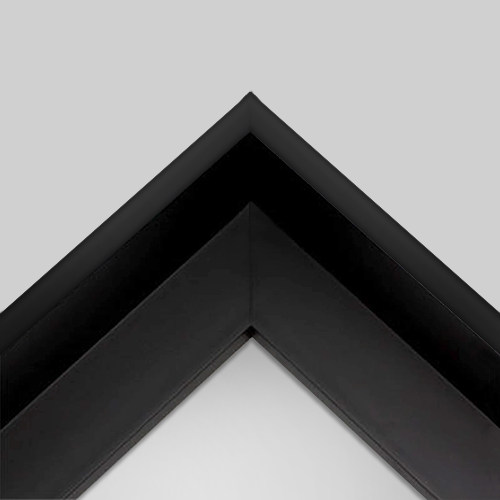
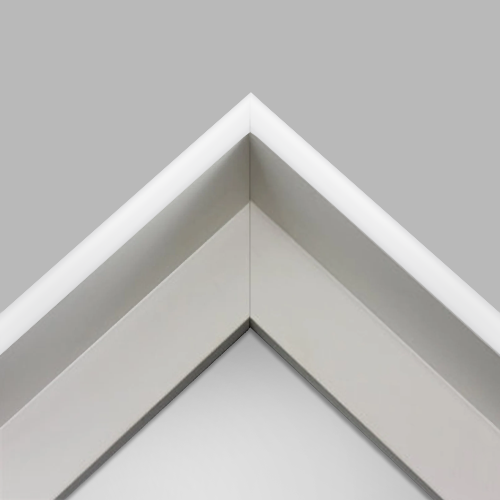
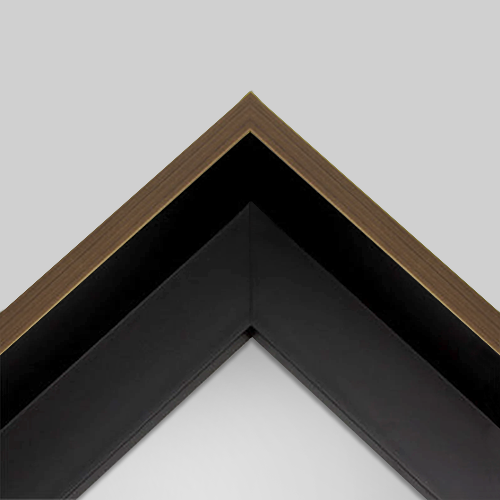
| Frame | : Included in the price |

Free shipping on all orders!
We offer refunds only for damaged products under a few conditions.
View Refund PolicyKapeeshwar
Kapeeshwar is a 24" x 40" acrylic original by artist Pratiksha Bothe. The title is a direct epithet for Hanuman — "Kapi" meaning monkey, "Ishwar" meaning lord — and Bothe identifies the figure by a single clear detail rather than an exaggerated monkey face: a long tail, curling low to one side and rising again near the figure's hip, visible against the flat red background on both edges of the body.
The face itself is rendered calm and composed, eyes lowered, with a tilaka mark at the center of the forehead and tight spiraled curls of hair framing either side — a serene, almost meditative expression rather than a fierce warrior pose, in keeping with Hanuman's role as a devoted, disciplined figure rather than only a powerful one.
One hand is raised, palm open, in a gesture of blessing and reassurance, while the other holds a single red lotus between thumb and fingers, its stem trailing down toward the figure's chest — devotion and protection held in the same two gestures.
The torso is where Bothe's signature technique from elsewhere in her collection reappears: rather than smooth, shaded skin, the entire chest and arms are filled with a fine repeating pattern of tiny seated meditating figures, the same device used to build the sun-face patterning in her painting Kabalikruta, here applied to suggest a body made up of countless smaller devotees or forms of practice.
The lower garment, a rich red patterned with lotus blooms in deeper pink and gold outline, echoes the single lotus held in the figure's hand, tying the painting's palette together from top to bottom.
This repeating-pattern technique, used across more than one of Bothe's devotional figures, gives her work a distinct visual signature — bodies built from multitudes of smaller symbolic forms rather than painted as a single continuous surface.
The tall vertical format suits a stairwell, hallway, or dedicated devotional space, where the figure's full height and calm, upright posture can be appreciated at scale.
This is a hand-painted acrylic original on canvas, not a reproduction. Kapeeshwar names its subject through epithet rather than obvious iconography, trusting the tail, the lotus, and the blessing hand to carry the identification.
Kapeeshwar sits alongside pieces like Kabalikruta in Bothe's Guest Artist collection, built in Bothe's characteristic warm, devotional register. The gallery-wrapped canvas means it's ready to hang as-is; a floating frame is worth considering only if you want a more formal, finished edge. Beyond the spaces already suited to it, Kapeeshwar also works well in a bedroom accent wall for a slightly different feel.

Premium Quality

Well Crafted

Easy to Install

Best for Gifting

GST Included


