
Your new artwork is precious, and it deserves a safe journey to its new home.
View Shipping Policy
 Original
 Room
Room
Gujarachi Madi
Product ID: GhadgeUmesh_202505_10_007_1012
₹ 20,160
Inclusive of 5%
Claim 5% GST Input Tax Credit
At Sajaao, we understand that taxes can add up — especially with a 5% GST applicable on all our products. If you're a GST-registered business, you may be eligible to claim Input Tax Credit (ITC) on your purchases.
We issue GST-compliant tax invoices with every sale, making it easy for you to avail the ITC — subject to the eligibility conditions and relevant provisions of the Goods and Services Tax Act, 2017.
Simply enter your valid GSTIN at checkout, and we’ll include it on the invoice — helping you get the most value from your investment in authentic handmade art..
| Size | : 10" x 12" |
| Medium | : Pen and Ink |
| Surface | : Paper |
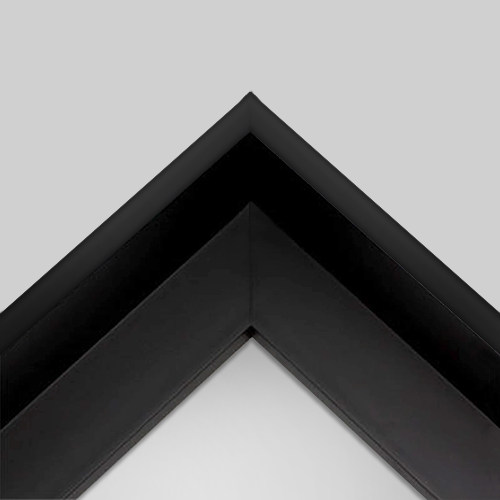
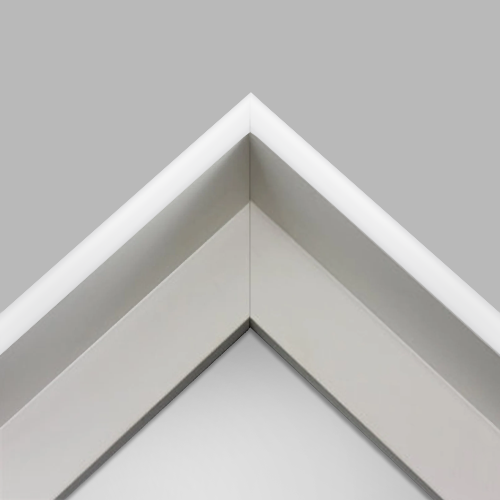
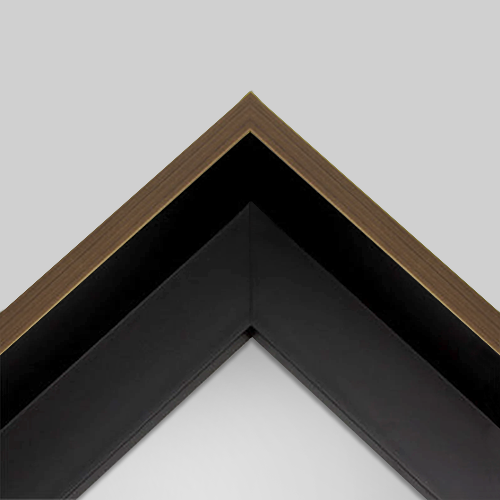
| Frame | : Included in the price |

Free shipping on all orders!
We offer refunds only for damaged products under a few conditions.
View Refund PolicyGujarachi Madi
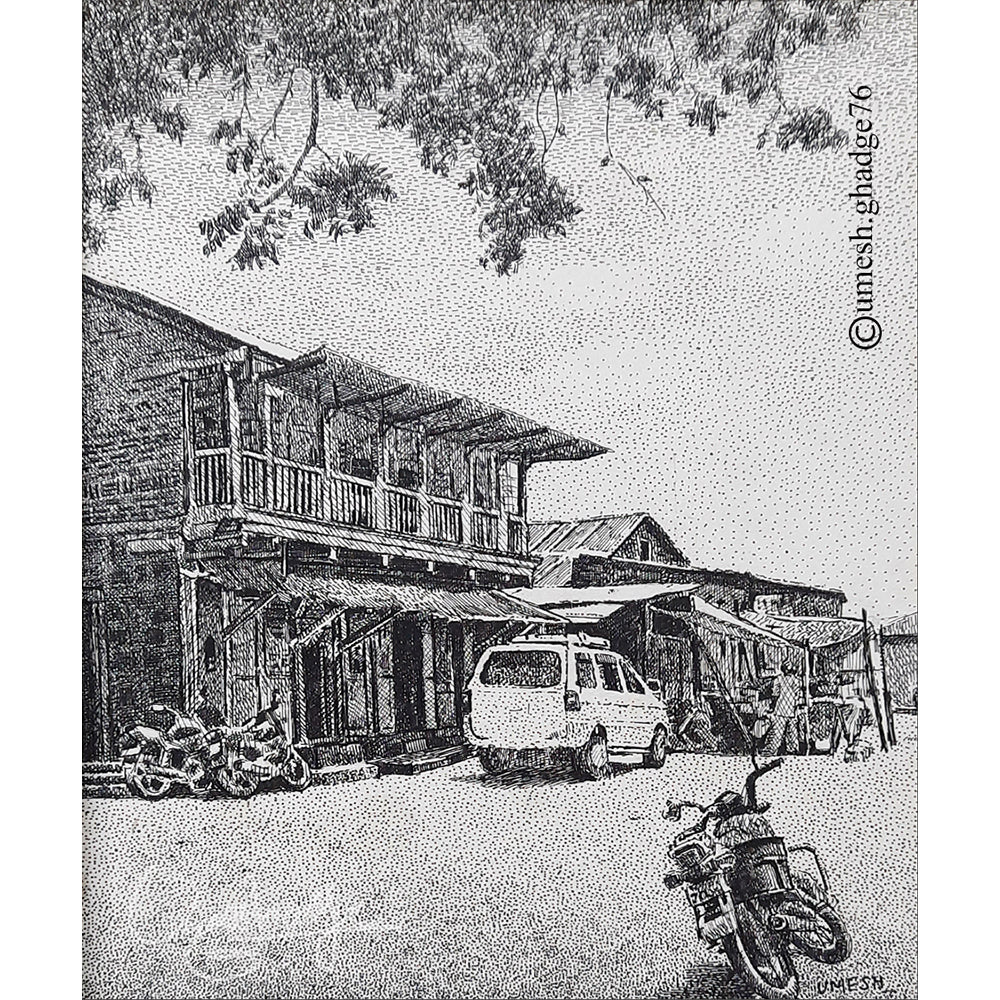
Gujarachi Madi is a 10" x 12" pen and ink original by artist Umesh Ghadge. A two-story wooden building with a covered upper balcony stands beside a parked van and motorbikes, trees overhanging the scene from above — the title naming the building directly, "madi" referring to an upper floor or loft space in regional usage.
Ghadge renders the timber balcony's supporting posts and railing in careful, varied linework, the structure's age and specific carpentry made legible through the density and direction of the hatching used.
The parked van at street level is worked with the same attention as the building above it, its boxy form and reflective windshield rendered through controlled stippling that distinguishes metal and glass from the surrounding timber and stone.
Overhanging tree branches at the top of the composition are rendered in looser, more organic strokes, framing the architectural subject below without competing with its more structured detail.
This documentation of a specific, named heritage structure — caught in an ordinary moment with parked vehicles rather than staged as an empty monument — is consistent with Wai Wada and Khindaar elsewhere in Ghadge's collection.
The compact scale suits a study, hallway, or a grouping with the artist's other heritage architecture studies, where the shared documentary technique ties the works together.
This is a hand-drawn pen and ink original on paper, not a reproduction. The timber balcony detailing is built up in varied, directional hatching, part of Ghadge's consistent technique.
Gujarachi Madi names and documents a specific building exactly as it stands today, ordinary traffic and all, rather than an idealized version of it.
Gujarachi Madi sits alongside pieces like Ganapati Ghat in Ghadge's Guest Artist collection, continuing Ghadge's habit of finding order and structure in ordinary city clutter. A slim frame under glass is usually the right call here, since anything heavier tends to compete with the fine ink linework. Beyond the spaces already suited to it, Gujarachi Madi also works well in a compact urban apartment for a slightly different feel.
Pieces like this tend to be built in stages, and the finished surface still carries visible traces of that process rather than hiding it. Indirect natural light generally shows the surface at its best, and keeping it out of direct, prolonged sun helps the colours hold over time. Being handmade, minor variations in surface and stroke are expected and are part of Ghadge's process, not a defect.

Premium Quality

Well Crafted

Easy to Install

Best for Gifting

GST Included


